
 1993▶Adventure · Science FictionJurassic Park127 min
180movies
MovieRill
A collection of 180 movies from 1990 to 1999, each with its cast, its rating and a Watch now button.
Top rated
See all (26) ➜1993▶Adventure · Science FictionJurassic Park127 min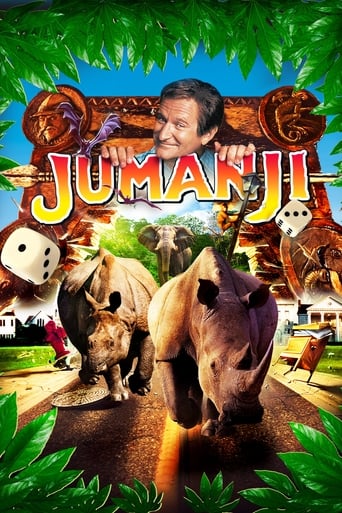 1995▶Adventure · Fantasy · FamilyJumanji104 min
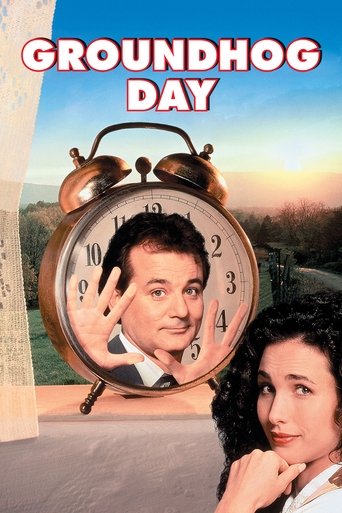 1993▶Romance · Fantasy · ComedyGroundhog Day101 min
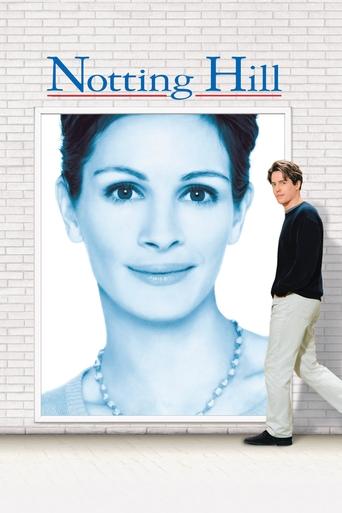 1999▶Romance · ComedyNotting Hill124 min
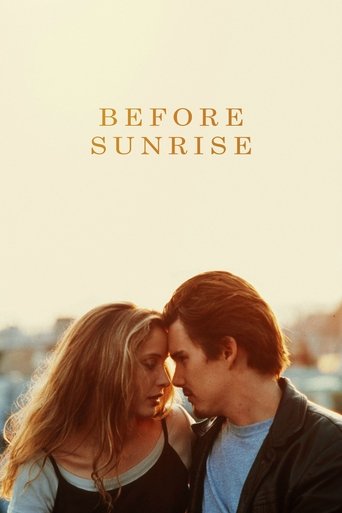 1995▶Drama · RomanceBefore Sunrise101 min
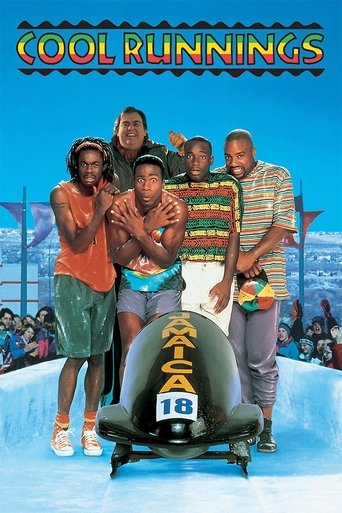 1993▶Comedy · Adventure · DramaCool Runnings98 min
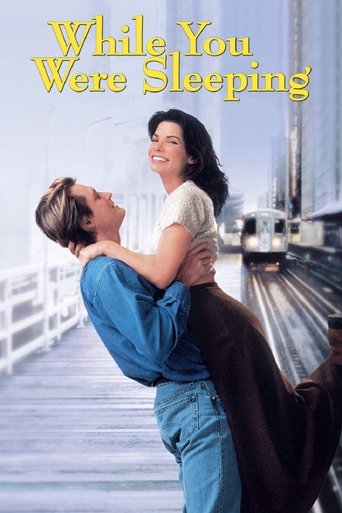 1995▶Romance · ComedyWhile You Were Sleeping103 min
 1993▶Family · Comedy · DramaThe Sandlot101 min
 1997▶Drama · Music · HistorySelena127 min
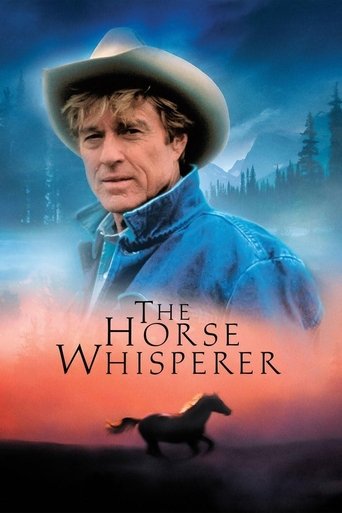 1998▶Adventure · Drama · RomanceThe Horse Whisperer169 min
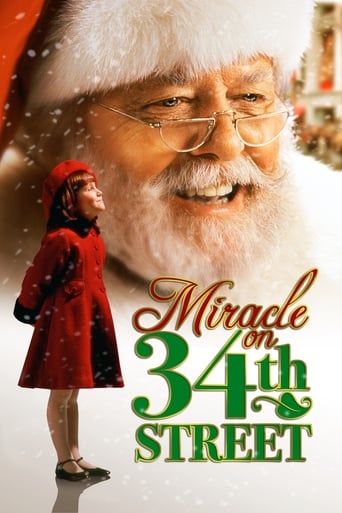 1994▶Fantasy · Drama · FamilyMiracle on 34th Street114 min
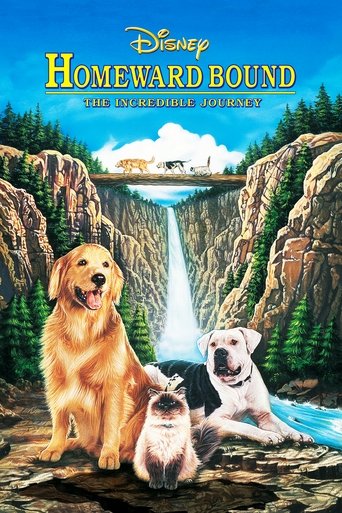 1993▶Adventure · Comedy · FamilyHomeward Bound: The Incredible Journey84 min
Comedy
See all (122) ➜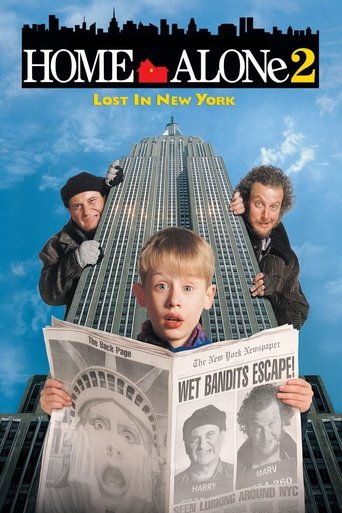 1992▶Comedy · Family · AdventureHome Alone 2: Lost in New York120 min
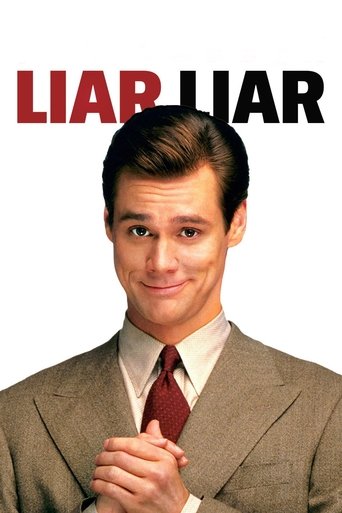 1997▶Comedy · FantasyLiar Liar86 min
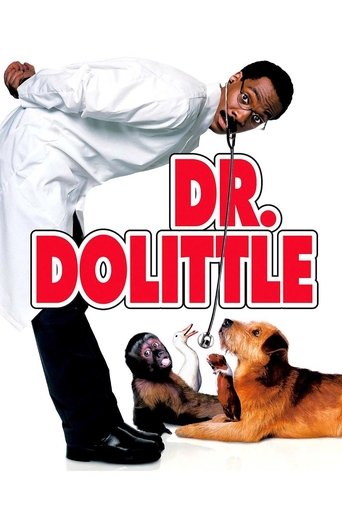 1998▶Comedy · Family · FantasyDoctor Dolittle85 min
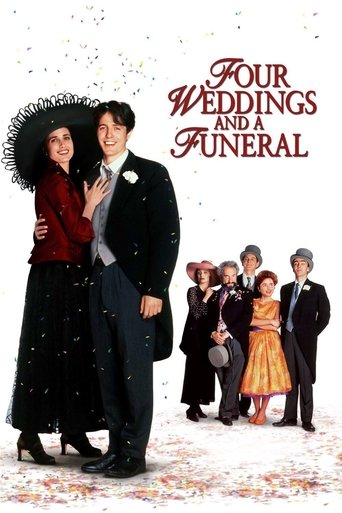 1994▶Comedy · Drama · RomanceFour Weddings and a Funeral117 min
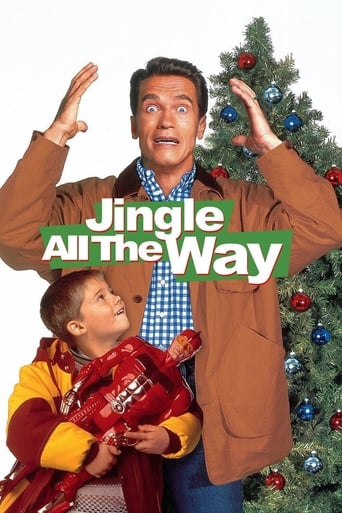 1996▶Family · Adventure · ComedyJingle All the Way89 min
 1997▶Comedy · RomanceMy Best Friend's Wedding105 min
 1994▶Fantasy · Comedy · FamilyThe Flintstones91 min
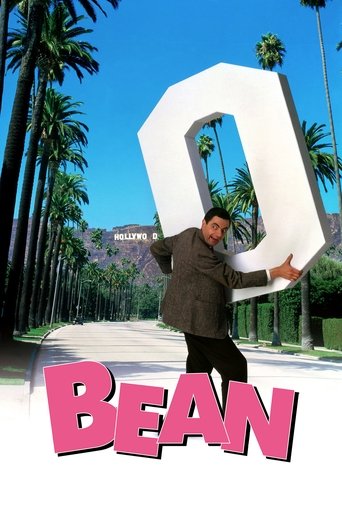 1997▶Family · Adventure · ComedyBean89 min
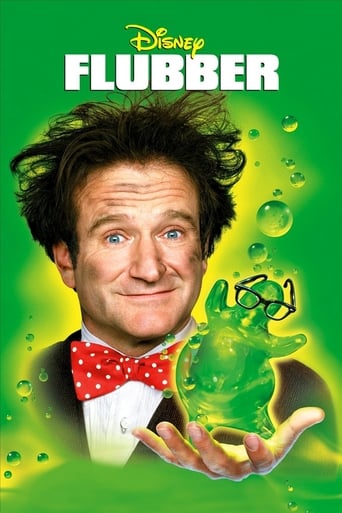 1997▶Comedy · Family · Science FictionFlubber93 min
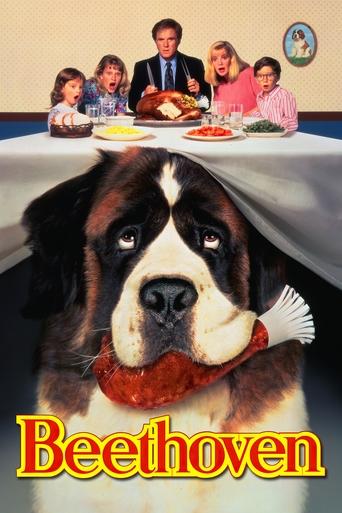 1992▶Family · ComedyBeethoven87 min
 1999▶Comedy · RomanceRunaway Bride116 min
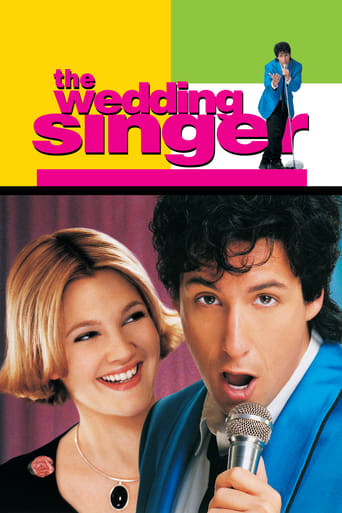 1998▶Romance · ComedyThe Wedding Singer97 min
Family
See all (79) ➜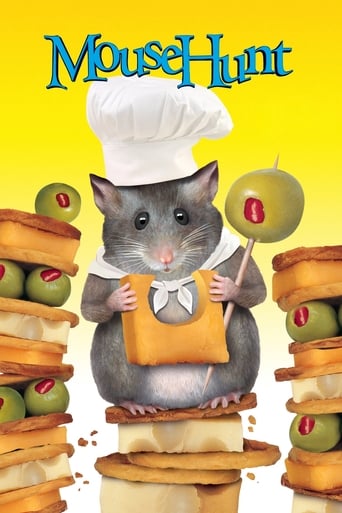 1997▶Comedy · FamilyMouseHunt98 min
 1992▶Adventure · Comedy · FamilyHoney, I Blew Up the Kid89 min
 1993▶Family · ComedyBeethoven's 2nd89 min
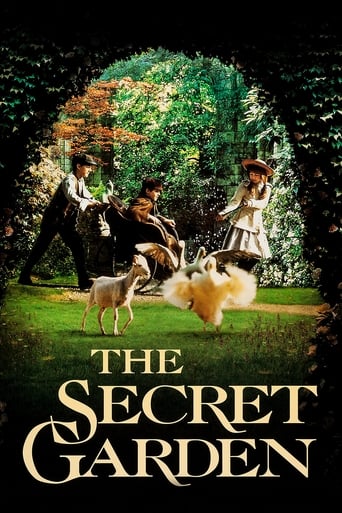 1993▶Drama · Family · FantasyThe Secret Garden101 min
 1997▶Adventure · Comedy · FamilyHoney, We Shrunk Ourselves74 min
 1993▶Comedy · FamilyThe Beverly Hillbillies93 min
Romance
See all (62) ➜ 1991▶Comedy · RomanceFather of the Bride105 min
 1996▶Drama · Romance · FantasyPhenomenon123 min
 1992▶Adventure · Fantasy · DramaForever Young102 min
 1996▶Romance · ComedyOne Fine Day108 min
 1991▶Comedy · RomanceDoc Hollywood104 min
 1996▶Comedy · Fantasy · Science FictionMultiplicity117 min
Adventure and fantasy
See all (66) ➜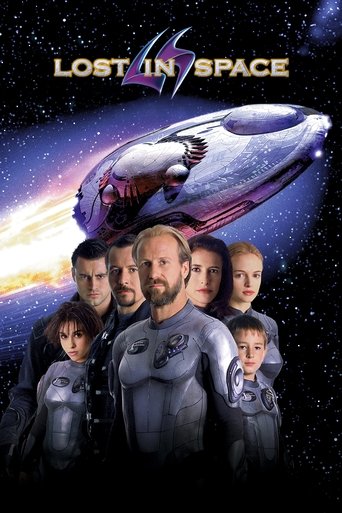 1998▶Science Fiction · Adventure · ActionLost in Space130 min
 1991▶Comedy · WesternCity Slickers114 min
 1996▶Adventure · Comedy · DramaHomeward Bound II: Lost in San Francisco89 min
 1997▶Adventure · Fantasy · ActionThe Borrowers87 min
 1994▶Family · Adventure · DramaThe Jungle Book111 min
 1996▶Comedy · Action · FamilyD3: The Mighty Ducks104 min
Sport
See all (20) ➜ 1993
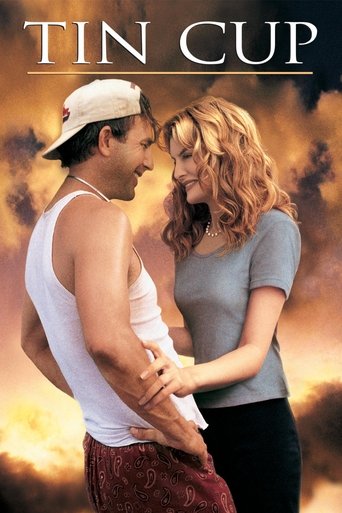 1996
 1997
 1994
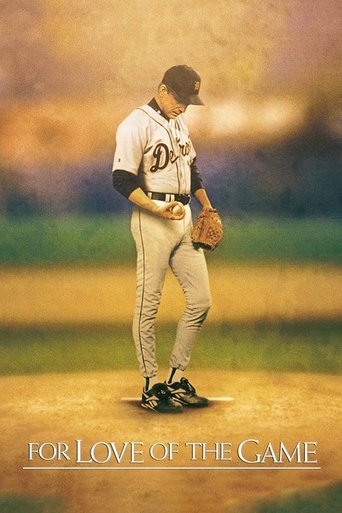 1999
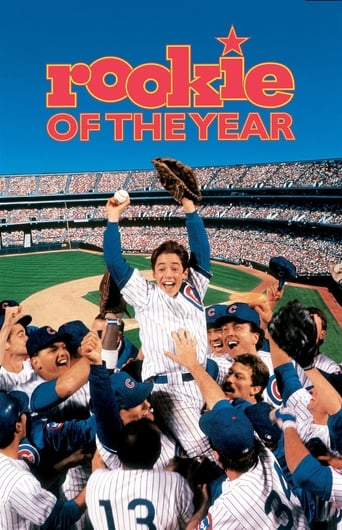 1993
The MovieRill guide to the movies of the 1990s
MovieRill: movies of the 1990s, from Jurassic Park, Groundhog Day and Before Sunrise to Notting Hill, Jumanji, The Sandlot and Cool Runnings
The 1990s were the last decade in which a film arrived slowly. It opened in cinemas, stayed there for months, came to the video shop in a plastic case half a year later, and reached television after that. A family might see the same movie three times on three kinds of screen, and by the third viewing everybody knew the lines. MovieRill is a guide to that decade. It lists 180 movies released from 1990 to 1999, the work of 156 directors and about 306 hours of viewing, and it arranges them the way the decade itself unfolded, year by year.
The selection was made for a family audience, so it follows the comedies, the family adventures, the romances and the warm-hearted dramas that filled the shelves marked new releases. There is the weatherman who lives the same day again and again, the island of dinosaurs, the board game that empties a jungle into a living room, the boys who lose a signed baseball over a fence, and the bookseller who spills orange juice on a film star.
The guide on this page walks through the decade and then through each kind of story, names the movies to open first and explains how the site works. The short version is in How to watch with MovieRill.
How MovieRill works
The home page opens with a maroon banner showing the size of the collection in large yellow figures. Under it stand eight red blocks, one for each year list: the first covers 1990 to 1992, and the rest take a year apiece from 1993 to 1999, each with its count. Below the blocks run six rows of posters: the top rated, comedy, family, romance, adventure with fantasy, and sport. Every poster carries its year on a red tag, and under the thin white title a line gives the running time and a star score, which turns yellow from 7.0 upward.
A movie page gives the year, the length, the rating, the genres, the leading cast, the director and a summary. Beside the Watch now button is a country selector; choose a country, press the button, and the movie opens on JustWatch, which lists the subscription, rental, purchase and free services that carry it there. MovieRill is a guide, and the watching happens on those official services.
Four routes lead to a movie, described in Finding a movie: the year blocks, the search box, the lists page and the alphabetical index. The search understands actors, directors and years as well as titles. The list feature is called My Tape; it keeps movies to watch in the browser on the device in use, and the My Tape page shows how to fill it and how to save it as a file.
The decade opens: 1990 to 1993
The years guide sets out all eight lists, and the first holds twenty-nine movies from 1990, 1991 and 1992. The decade began with comedies about ordinary lives interrupted. In Father of the Bride, Steve Martin plays a contented shoe manufacturer whose daughter returns from Europe engaged, and whose home is taken over by a wedding planner with an accent all his own. City Slickers sends three friends from New York on a cattle drive across the West under the eye of a weathered trail boss, a part that won Jack Palance an Academy Award. What About Bob? lets Bill Murray, as the most devoted of patients, follow his psychiatrist on holiday.
Doc Hollywood strands a young surgeon bound for Beverly Hills in a small Southern town with a fence to pay for. Green Card arranges a marriage of convenience between a French composer and a New York gardener who wants an apartment with a greenhouse. L.A. Story, written by Steve Martin, is a love letter to a city where a motorway sign gives personal advice. From Britain and Ireland came The Commitments, about a group of young Dubliners who form a soul band, and Life Is Sweet, Mike Leigh's affectionate portrait of a suburban family.
The year 1992 belonged to sequels and big dogs. Home Alone 2: Lost in New York puts its young hero on the wrong aeroplane and gives him a grand hotel, a toy shop and Central Park to explore. Beethoven introduces a St Bernard who grows from a puppy in a pocket to a creature the size of a sofa. Honey, I Blew Up the Kid reverses an earlier hit by enlarging a toddler, and Strictly Ballroom, the first film by Baz Luhrmann, brings sequins and rebellion to Australian competition dancing.
Then came 1993, represented by twenty movies and by the highest-rated title in the catalogue. Jurassic Park, directed by Steven Spielberg, showed audiences living dinosaurs for the first time, some built at full size and some created inside a computer, and set a standard for spectacle that the rest of the decade chased. It is rated 8.0. In the same year Groundhog Day gave Bill Murray his finest role as a television weatherman who wakes each morning in the same small Pennsylvania town on the same February day, and slowly learns to use it well.
The class of 1993 also includes Cool Runnings, about the first Jamaican bobsleigh team; The Sandlot, a memory of one summer of neighbourhood baseball; Dave, in which a kindly lookalike stands in for a president; The Secret Garden, a beautiful adaptation of the children's classic; and Searching for Bobby Fischer, the true story of a seven-year-old chess prodigy and the two teachers who pull him in different directions.
The middle years: 1994 to 1996
Twenty movies represent 1994. Four Weddings and a Funeral made Hugh Grant a star and its writer, Richard Curtis, the leading voice of British romantic comedy; a small film about a group of friends and five ceremonies, it travelled the world. The Flintstones rebuilt a cartoon town in real stone with John Goodman as its leading citizen. Miracle on 34th Street retold a Christmas classic with Richard Attenborough as the department-store Santa who may be the real one. The Jungle Book put the boy raised by wolves among real animals, and Black Beauty let a horse narrate his own life.
Eighteen movies come from 1995. Jumanji stars Robin Williams as a man released from a magical board game after twenty-six years inside it, along with a stampede, a monsoon and a hunter. While You Were Sleeping gives Sandra Bullock the part of a lonely ticket clerk mistaken for the fiancée of a man in a coma and welcomed by his warm, noisy family. Before Sunrise follows a young American and a French student who meet on a train and walk through Vienna until morning; it shares the top rating of 8.0. Tommy Boy, Now and Then and Mr. Holland's Opus complete a strong year.
The fullest list is 1996, with twenty-seven movies. Jingle All the Way sends Arnold Schwarzenegger through the shops on Christmas Eve in search of the one toy his son wants. Phenomenon gives John Travolta sudden genius, Multiplicity gives Michael Keaton three copies of himself, and One Fine Day gives two single parents, Michelle Pfeiffer and George Clooney, a single frantic Manhattan day. The year also produced two small gems about food and music, Big Night and Brassed Off, and handsome versions of Jane Eyre, Twelfth Night and The Portrait of a Lady.
The decade closes: 1997 to 1999
Twenty-five movies come from 1997. Liar Liar is built on a single wish: a boy whose father, a lawyer, keeps breaking promises asks on his birthday that his dad tell only the truth for one day, and Jim Carrey spends that day at war with his own mouth. My Best Friend's Wedding has Julia Roberts trying to stop a marriage and losing gracefully. Bean carries Rowan Atkinson's silent troublemaker to California in charge of a famous painting. MouseHunt, the first film by Gore Verbinski, pits two brothers against one very clever mouse in a mansion worth a fortune, and Selena tells the life of the Texan singer with Jennifer Lopez.
The twenty movies of 1998 are led by Doctor Dolittle, with Eddie Murphy as a physician who can hear what animals say, and The Wedding Singer, which looks back at 1985 with Adam Sandler behind the microphone and Drew Barrymore serving the cake. The Horse Whisperer, directed by and starring Robert Redford, is the longest film in the catalogue at 169 minutes, a patient story of a girl, a horse and a Montana ranch. Lost in Space sends a family to the stars, and Madeline brings the smallest of twelve little girls in two straight lines to the screen.
The decade ends with twenty-one movies from 1999. Notting Hill introduces a divorced London bookseller to the most famous actress in the world and surrounds them with the best group of friends in any romantic comedy. Runaway Bride reunites Julia Roberts and Richard Gere as a woman who has left three grooms at the altar and the columnist who writes about her. The year also saw Mansfield Park, The Winslow Boy, the Thanksgiving-to-graduation drama Anywhere but Here, and a set of bright television movies for younger viewers, among them Zenon: Girl of the 21st Century, which imagined life on a space station in 2049.
Comedy
Comedy is by far the largest list, with 122 movies, and the comedy guide sorts it into types. The high-concept comedy was the decade's signature: one impossible premise, stated in a sentence, followed with total logic. A man repeats a day. A lawyer must tell the truth. A builder clones himself to get more done. A caveman thaws in a California garden in Encino Man. A pilot frozen in 1939 wakes in 1992 in Forever Young. The pleasure lies in watching the rules play out, and the best examples, like Groundhog Day, end up saying something true.
A second type takes city people to the country, or the reverse. Alongside the cattle drive and the Southern town stand Son in Law, in which a Californian student charms a farming family, Jungle 2 Jungle, in which a boy raised in the Amazon visits his father in Manhattan, and The Beverly Hillbillies, who bring their truck to a mansion. The Out-of-Towners sends a couple from Ohio through one disastrous night in New York.
The decade loved a farce. Noises Off... films a famous stage comedy about a touring theatre company whose backstage chaos overtakes the play; it is all doors, sardines and split-second timing, and it is rated 7.2. Soapdish does the same for a daytime television serial, with Sally Field as its star. Dave and My Fellow Americans make comedy of the presidency, and Mother, by Albert Brooks, moves a grown writer back into his childhood bedroom.
British and Irish comedy of the period has a flavour of its own, dry and kind. Brassed Off follows a colliery brass band in Yorkshire as it plays its way to a national final. Fever Pitch turns a memoir about supporting a football club into a romance, with Colin Firth as a teacher whose calendar is the fixture list. The Van puts two friends from Dublin in a mobile chip shop during a World Cup summer.
Family
Seventy-nine movies carry the family label, and the family guide remembers a period when studios made live-action films for children by the dozen. Many involve an invention let loose. Flubber has Robin Williams as an absent-minded professor who creates a green substance with a will of its own. Honey, We Shrunk Ourselves reduces the parents this time and leaves the children in charge. Smart House gives a family a computerised home that takes its duties too seriously.
Summer is the natural season of the family film. The Sandlot is set in 1962, when a new boy in town is taken into a gang of baseball players and helps to lose a ball signed by the greatest player of all over the fence guarded by a legendary dog. Heavyweights spends a summer at a camp taken over by a fitness fanatic. Now and Then remembers four girls, their bicycles and the summer of 1970, and Gold Diggers: The Secret of Bear Mountain sends two more into the hills after a legend.
Winter has its own shelf, with the hotel adventure in New York, the department-store Santa and the toy hunt, together with I'll Be Home for Christmas, in which a student crosses the country in a Santa suit, and Richie Rich's Christmas Wish. Television cartoons and old series were remade with real actors: the stone-age family, The Brady Bunch Movie and its sequel, Leave It to Beaver and Dennis the Menace Strikes Again!, the shortest film here at seventy-one minutes.
Two sisters with a production company of their own, Mary-Kate and Ashley Olsen, are represented by Passport to Paris and Billboard Dad. Disney's cable channel supplied Brink!, about a team of inline skaters, The Thirteenth Year, about a boy who discovers scales on his arm, and Horse Sense. For many viewers who were children then, these modest films are the decade.
Drama
Seventy-nine movies are dramas, and the drama guide picks out three threads. The first concerns gifted children and the adults around them. Searching for Bobby Fischer asks whether a boy can be a champion and remain kind, and answers with great tenderness. Little Man Tate, the first film directed by Jodie Foster, follows a seven-year-old genius torn between his waitress mother and the director of a school for prodigies.
The second thread is mothers and daughters. The Joy Luck Club weaves together the stories of four women born in China and their four American daughters, moving between decades and continents around a table of mahjong. Anywhere but Here sends Susan Sarandon and Natalie Portman from Wisconsin to Beverly Hills in a second-hand Mercedes. Hope Floats returns a former beauty queen, played by Sandra Bullock, to her Texas home town with her small daughter.
The third is the teacher. Mr. Holland's Opus covers thirty years in the life of a composer who took a school job to pay the bills and found his real work there. Music of the Heart stars Meryl Streep as a violin teacher in East Harlem. Other dramas of note are Avalon, Barry Levinson's story of an immigrant family in Baltimore across half a century; City of Joy, set in a clinic in Calcutta; King of the Hill, about a resourceful boy in a hotel during the Depression; and Home for the Holidays, Jodie Foster's bittersweet Thanksgiving.
Romance
Sixty-two movies are romances, and the romance guide calls the 1990s the golden decade of the romantic comedy. The British branch is led by the two Hugh Grant films, written by the same hand five years apart. Both understand that a love story is funnier and truer when the lovers have friends: a deaf brother who says what everyone thinks, a flatmate who greets the press in his underwear, a sister who announces her engagement at a birthday dinner.
The American branch is broader. While You Were Sleeping is its most lovable entry, a film in which a woman falls for a whole family before she falls for one man. The Wedding Singer finds romance at other people's receptions. One Fine Day compresses a courtship into twelve hours of school runs and lost mobile telephones. Runaway Bride and My Best Friend's Wedding gave Julia Roberts two different comic problems with marriage in three years. Bed of Roses, Speechless, about speechwriters for rival candidates, and Next Stop Wonderland, in which two people in Boston keep just missing each other, are smaller pleasures.
Before Sunrise stands apart. It has two characters, one city and one night, and consists almost entirely of talk: about parents, about time, about a poem bought from a man by the river. Richard Linklater directed, Ethan Hawke and Julie Delpy helped to shape their own lines, and the result is rated 8.0. Nearly as unusual is Strictly Ballroom, where love arrives through a paso doble learned on a back porch, and Dance with Me, which fills a Houston studio with Cuban rhythm.
Period romance flourished alongside the comedies. Mansfield Park gives Jane Austen's quietest heroine a writer's pen. Jane Eyre, directed by Franco Zeffirelli, and The Portrait of a Lady, directed by Jane Campion, bring two great novels to the screen in the same year. Circle of Friends is set at a Dublin university in the 1950s, and The Love Letter in a seaside town thrown into confusion by one unsigned note.
Adventure and fantasy
Sixty-six movies promise a journey, and the adventure guide begins with the two giants. Jurassic Park is a perfect adventure machine: an island, a storm, a tour that goes wrong, and children who must be brought safely across a park full of creatures sixty-five million years out of their time. Jumanji works in the opposite direction, bringing the wilderness into a quiet New England town, turn by turn of the dice.
Classic tales were filmed with new confidence. The Adventures of Pinocchio used a puppet built by the Jim Henson workshop. Alice in Wonderland and Alice Through the Looking Glass assembled large casts for television. Cinderella, made in 1997, gave the fairy tale a joyful new cast led by the singer Brandy, with Whitney Houston as the fairy godmother. A Kid in King Arthur's Court and A Knight in Camelot both drop modern visitors into the age of the Round Table, and Prince Valiant rides out of a newspaper comic strip.
Small heroes had a good decade. The Borrowers are a family four inches tall who live beneath the floorboards and must save the house above them. The shrinking and growing films belong here too, along with Warriors of Virtue, a fantasy with five kangaroo knights, and Kazaam, in which a basketball star plays a genie released from a portable stereo. For science fiction there is Lost in Space, and for the open sea Captain Ron, with Kurt Russell as the least reliable skipper in the Caribbean.
Sport
Twenty movies are about games, and the sport guide notes how many of them star children. The decade produced a whole league of junior teams. Little Giants sets two brothers against each other as coaches of rival football sides, one polished and one made of everybody else. The Big Green brings an English teacher and a football to a small Texas town. D3: The Mighty Ducks takes its ice hockey team to a private school on scholarship.
Baseball inspired wish-fulfilment. In Rookie of the Year, a twelve-year-old's arm heals so tightly after a fall that he can throw like a professional, and he joins the Chicago Cubs. In Little Big League, a boy inherits a team and names himself manager. Ed gives a minor-league side a chimpanzee at third base, and Air Bud and its sequel give school teams a golden retriever with a gift for basketball and then for football.
Adults compete as well. Tin Cup stars Kevin Costner as a driving-range professional with a perfect swing and a stubborn streak, who qualifies for the national open to impress a psychologist. For Love of the Game spends one evening on the mound with a veteran pitcher. Blue Chips looks at college basketball recruiting, Prefontaine at a great distance runner, and 8 Seconds at a champion of the rodeo.
Animals
Twenty-two movies star an animal, as the animals guide records, and the decade may have been the high point of the form. Dogs lead. The St Bernard returned in Beethoven's 2nd with a mate and four puppies. Homeward Bound: The Incredible Journey sends a wise old golden retriever, a young bulldog and a Himalayan cat across the mountains toward their family, with the voices of Don Ameche, Michael J. Fox and Sally Field, and Homeward Bound II: Lost in San Francisco sets the same trio loose in a city.
The sea has its stars: the dolphin of Flipper, the sea lion of Andre, who swam back to the same harbour in Maine every spring, and the unlikely partnership of Zeus & Roxanne. On land there are the horses of Black Beauty and the Montana ranch, the wolf-dog of White Fang 2: Myth of the White Wolf, the cub of The Amazing Panda Adventure, the polar bear of Alaska and the circus elephant that Bill Murray must walk across America in Larger Than Life.
These films were made with trained animals and patient crews, before computer effects could supply a talking creature at will. Doctor Dolittle, near the end of the decade, mixed real animals with puppetry and digital mouths and pointed toward what was coming. Watching the earlier films now, there is a particular charm in knowing that the dog really did carry the ball.
Old stories in new clothes
The 1990s looked back as much as forward, and a good share of the catalogue retells something older. Father of the Bride updates a comedy of 1950, Miracle on 34th Street one of 1947 and Born Yesterday a classic about a tycoon's companion who discovers books and a mind of her own. Flubber is a new version of a Disney film of the 1960s about a professor and his bouncing discovery, The Love Bug brings back a small white car with a personality, and The Out-of-Towners sends a new couple through the trials that Jack Lemmon once endured.
Television of earlier decades was mined with equal energy. The stone-age family, the oil-rich mountaineers, the suburban brothers and sisters of the 1970s and the space family all moved from the small screen to the large. The cleverest of these, The Brady Bunch Movie, directed by Betty Thomas, keeps its family exactly as they were in 1972 and sets them down in the Los Angeles of 1995, where their good cheer puzzles the neighbours. The Odd Couple II reunited two actors in roles they had first played thirty years before.
These remakes were sometimes dismissed on release, yet they did a useful thing: they introduced a new generation to stories their parents had loved, and they gave families a shared reference. A double bill of an original and its 1990s version, where both can be found, makes an instructive evening.
Music on screen
Several of the decade's best films are about making music together. The Commitments, directed by Alan Parker from the novel by Roddy Doyle, follows a young manager who assembles a band from the housing estates of north Dublin and teaches it the songs of American soul. The cast were musicians first and actors second, the performances were recorded live, and the film has the sweat and joy of a real gig. It is rated 7.3.
Brassed Off features the music of a real colliery band, and its performance of a slow orchestral melody outside a hospital window is one of the most affecting scenes of the decade. Backbeat returns to Hamburg in 1960, when a young group from Liverpool was learning its trade in the clubs. Selena recreates the stadium concerts of a singer whose audience crossed borders, and Dance with Me and Strictly Ballroom make the dance floor a place of courage.
Classical music has its films as well. A school orchestra plays its teacher's symphony in the last scene of Mr. Holland's Opus, fifty violins fill a concert hall in Music of the Heart, and a boy prodigy in Little Man Tate is as gifted at the piano as at mathematics.
Where the decade took place
The settings of these films form a map of the 1990s imagination. New York is the capital: a boy alone at a grand hotel, two single parents racing across Manhattan, a toy shop run by a kindly owner, a Thanksgiving parade watched by a girl who has stopped believing. Chicago is the home of romance on the elevated railway and of Sunday dinners. Los Angeles is teased by its own residents in comedies about motorways, studios and muses.
Small towns matter just as much. A Pennsylvania borough with a famous groundhog, a South Carolina town with a squash festival, a Texas town where a former beauty queen grew up: each is a place where a hurried visitor is made to stay and comes to prefer it. The decade was fond of this pattern, and it suits family viewing because the lesson is gentle and the scenery is good.
Abroad, the films visit Vienna by night, London's market streets and country churches, Dublin's north side, the Yorkshire coalfield, Sydney's dance halls, Calcutta, Lisbon and a bobsleigh track in Calgary. A viewer can travel a long way in ten years of cinema.
A decade for every season
Because so many of these films are tied to a date, the catalogue works well as a calendar. February has its own film, set on the second day of the month and repeated as often as necessary. Spring belongs to weddings, of which the catalogue holds a great many, from an English country church to a small-town American lawn. Summer brings baseball, camps, lakes and bicycles.
Autumn has the return to school and the American Thanksgiving, treated with wry affection in Home for the Holidays. December is the richest month, with hotels, department stores, toy shops and a student trying to reach home in time for dinner. A household that enjoys ritual could assign one film to each month and come back to it yearly, which is how many of these titles became favourites in the first place.
Films made for television
Eleven titles in the catalogue were made for television, and they show a side of the decade that cinema histories often skip. The networks' family film nights produced lavish specials: the 1997 Cinderella, seen by tens of millions on its first broadcast, the two journeys of Alice, and The Jungle Book: Mowgli's Story. Cable channels developed their own modest features for children, cheerful stories of skaters, swimmers and a girl from a space station, which were repeated so often that a generation can recite them.
For adults there were romances such as Borrowed Hearts, in which a factory worker and her daughter pose as their employer's family for a visiting investor, and comedies such as My Date with the President's Daughter and A Knight in Camelot, with Whoopi Goldberg as a scientist transported to the Middle Ages. They are short, bright and designed to be watched together, which is exactly what a guide to family viewing is for.
Children of the decade
The 1990s gave children real parts, and many of the performances hold up beautifully. Mara Wilson is the sceptical girl who tests a department-store Santa. Max Pomeranc, a ranked chess player in life, plays the young champion with a gravity beyond his years. The nine boys of the baseball summer were cast as a team and behave like one. Christina Ricci, Thora Birch and Gaby Hoffmann lead the group of friends in 1970, and a very young Scarlett Johansson plays the injured rider brought to the Montana ranch.
Several went on to long careers, and part of the fun of the catalogue is spotting them early: the future hobbit touring the world in search of new parents, and a future star of superhero films on the board-game set. The search box will find any of them by name.
First films and new voices
A decade is also a list of beginnings, and several careers start inside this catalogue. Baz Luhrmann made his first feature with the Australian dance comedy and went on to far larger canvases. Gore Verbinski began with a mouse and two exasperated brothers. Jodie Foster, already a celebrated actress, directed her first two films in these years, one about a gifted child and one about a family gathering. Stanley Tucci co-directed Big Night and played one of its brothers.
Women directors made a strong showing in family and literary films. Agnieszka Holland brought a European eye to the walled garden, Jane Campion took on Henry James, Betty Thomas directed two of the decade's most successful comedies, and Lesli Linka Glatter made the story of four friends in 1970. Their work is one reason the family films of the period look and feel more varied than their reputation suggests.
Choosing by age
Parents often ask which of these films suit which children. For the youngest viewers, the animal adventures and the fairy tales are the gentlest: the journey home, the dolphin, the smallest schoolgirl in Paris. From about seven, the invention comedies and the junior sports teams work well, along with the board game and the borrowers. From ten or so, the dinosaurs become possible for children who enjoy a thrill, and the summer of baseball and the chess story speak directly to that age.
Teenagers tend to enjoy the wedding comedies, the soul band and the night in Vienna, and adults will find that the comedies they remember have aged kindly. The star score and the running time under each poster help with the final choice, and a title page always shows the genres, so a cautious parent can check the tone before pressing play.
Grandparents make excellent guides to this catalogue, since they chose many of these films the first time round. Asking an older relative to pick a title from a year block, and to say where they first saw it, turns an ordinary evening into a small piece of family history. The films are short enough to leave time for the conversation afterwards, and the year tag on every poster makes it easy to find the one somebody half remembers from a rented tape long ago.
The same approach works for birthdays. Anyone born in the decade can open the list for their own year and see what was playing in cinemas when they arrived, a pleasant game that the eight red blocks on the home page were designed to invite.
From page and stage
Thirty-two movies began as books or plays, and the guide to page and stage shows a decade that read widely. Children's literature supplied The Secret Garden, in which an orphan, a sickly cousin and a country boy bring a locked garden back to life; the director, Agnieszka Holland, films the Yorkshire moors as a place of real magic, and the result is rated 7.4. It also supplied the tiny family beneath the floorboards, the schoolgirl of Paris and several visits to Wonderland.
The stage gave the decade some of its most intelligent films. The Winslow Boy, adapted and directed by David Mamet from the play by Terence Rattigan, follows a family that stakes everything on clearing the name of a thirteen-year-old cadet. Twelfth Night sets Shakespeare's comedy of disguise in an autumnal country house. Vanya on 42nd Street, directed by Louis Malle, simply watches a group of actors rehearse Chekhov in an empty New York theatre, and holds the attention completely.
Popular fiction is here too: the Montana novel that became Robert Redford's film, the football memoir, and the tale of a Dublin van. Cradle Will Rock dramatises the staging of a controversial musical in 1937, and RKO 281 the making of a famous first film; both are about artists and the people who pay for art.
Faces of the decade
The same actors appear again and again, and the faces guide follows them. Andie MacDowell leads the catalogue with five films: the gardener of Green Card, the producer who thaws the weatherman, the American guest at four weddings, the wife of the cloned builder and a part in The Muse. Bill Murray, Steve Martin and Julia Roberts have three each, and each defined a strain of the decade's comedy: the sardonic, the anxious and the radiant.
Rick Moranis appears four times as the mildest of fathers, in the two size-changing films, the stone-age town and the junior football league. Michael J. Fox is on screen in Doc Hollywood and Life with Mikey and heard as the bulldog in both journeys home. Sally Field voices the cat. Robin Williams stars in two of the decade's biggest family adventures, and Sandra Bullock in two of its warmest dramas of the heart.
Younger faces include Elijah Wood, seen in Forever Young, Flipper and North, in which a boy tours the world auditioning new parents; Jonathan Taylor Thomas, who has four films here; and Kirsten Dunst, who plays the sister in the board-game adventure and a boarding-school ringleader in Strike!. Among British actors, Nigel Hawthorne appears three times, as a lord, a steward and a father.
Directors left signatures too. Brian Levant made the St Bernard comedy, the stone-age comedy and the toy hunt. Les Mayfield made the caveman, the Santa and the green goo. Jon Turteltaub went from bobsleighs to a Chicago romance to a small-town fable in four years, and Duwayne Dunham directed the first journey home and the junior football league.
What a 1990s movie feels like
The field guide to the decade lists the signs. The first is texture. These films were shot on photographic film, lit warmly, and finished before digital grading, so skin looks like skin and autumn looks like autumn. Effects were mostly built: a full-size animatronic dinosaur, a mechanical mouse, a kitchen scaled up so that actors could seem four inches tall. When computers were used, they were used sparingly, and the join between the real and the generated is part of the period charm.
The second sign is the technology inside the story. Characters miss each other because a pay telephone is engaged. Messages wait on answering machines. Directions are written on paper, and a plot can turn on a pager or on two identical early mobile telephones swapped in a taxi. Many of these stories would be over in five minutes today, which is one reason they are restful to watch.
The third is the soundtrack. A 1990s film usually came with an album, and the songs were chosen to be remembered: a soul revue from Dublin, a set of 1980s hits for a wedding band, a brass arrangement of an Italian overture. The fourth is the pace. Scenes are allowed to run, jokes are set up patiently, and a film that ends after ninety-five minutes feels complete.
Top rated
Twenty-six movies are rated 6.8 or higher by at least 150 voters, and the top rated guide lists them. Two share first place at 8.0, the dinosaurs and the night in Vienna, which between them mark the two ends of what cinema can do: the largest spectacle of its time and one of the smallest. Selena follows at 7.7, then the repeating day and the summer of baseball at 7.6.
Family comedies of the period often score between 5.5 and 6.5, lower than the affection they inspire; voters who meet them as adults can be stern. A reader choosing for children should treat a 6.0 beside a familiar title as a perfectly good sign, and the year lists as the better guide to what was loved at the time.
A video-shop evening
One pleasant way to use MovieRill is to recreate an evening at the rental counter. Each person picks one year block and one movie from it. The rule of the old shop applies: a new release for the grown-ups, a favourite for the children, and something unknown chosen for its cover. The year lists make the last part easy, because every list holds a few titles that time has hidden.
Good hidden choices include Big Night, in which two brothers stake their restaurant on a single magnificent dinner; Box of Moonlight, about an engineer who takes a detour on the way home; Indian Summer, a reunion at a lakeside camp; Soul Food, built around the Sunday dinners that hold a Chicago family together; and Lisbon Story, in which a sound recordist wanders a city with a microphone. My Tape can hold the picks until the popcorn is ready.
For a themed night, the lists suggest pairs: the two versions of the Arthurian visit, the two baseball fantasies, the two Jodie Foster films as director, or the first and last films in the catalogue by date. An evening that begins with a comedy from 1990 and ends with a romance from 1999 crosses the whole decade in under four hours.
The anatomy of a movie page
On MovieRill a movie page is laid out as a single column that can be read in half a minute. The poster and title lead, with the release year beside them and a set of genre chips. The score out of ten follows, shown with its vote total, and next to it the length in minutes. A brief synopsis states the premise and stops short of the ending. Cast and director come next, every name a doorway to that person's other films from the decade. The country menu and the Watch now button are placed near the top so that they stay visible on a small screen, and the page closes with a strip of movies from the same year.
Questions about MovieRill
Questions
What is MovieRill?
MovieRill is a guide to 180 movies released from 1990 to 1999. Each has its cast, a summary, a rating and a Watch now button.
How do I watch a movie?
Open its page, choose your country beside the Watch now button and press it. JustWatch then lists the services that carry the movie in that country.
How are the years arranged?
Eight lists cover the decade: one for 1990 to 1992 and one each for 1993 through 1999. The fullest is 1996, with twenty-seven movies.
Which movies are rated highest?
Jurassic Park and Before Sunrise lead at 8.0. Selena follows at 7.7, then Groundhog Day and The Sandlot at 7.6.
Is the catalogue suitable for families?
Every title was screened by hand for a family audience. Seventy-nine movies carry the Family label.
What kinds of movies are listed?
Comedy is the largest list with 122 movies, followed by family and drama with seventy-nine each, adventure and fantasy with sixty-six and romance with sixty-two.
Which is the longest movie?
The Horse Whisperer runs for 169 minutes. The shortest is Dennis the Menace Strikes Again! at 71 minutes.
Can I search by actor or year?
Yes. The search box understands titles, actors, directors and years.
What is My Tape?
My Tape is your list of movies to watch. It is kept in the browser on your device, and the list page can save it as a file.
Where does the information come from?
Posters, ratings, casts and production details are supplied by TMDB. The guide on this page and the fifteen help pages are written for MovieRill.
